Creating a better work environment
Steps you can take to deal with harassment, incivility, and disrespect in the workplace.
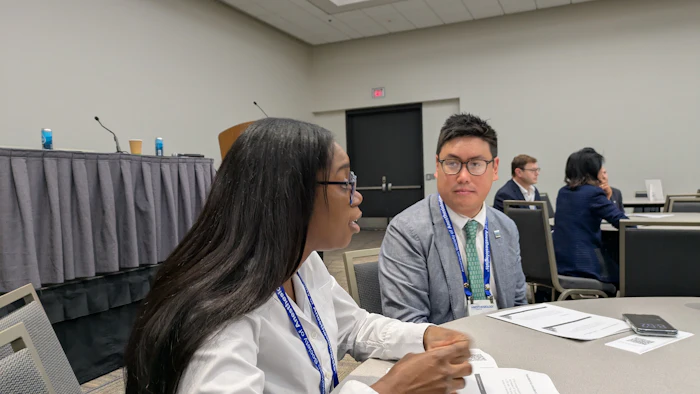
Workplace hostility in the form of harassment and incivility can create a counterproductive work environment, including in anesthesiology. The good news is there are people and resources working to address these issues and create solutions.
ASA, for example, issued a Statement on Harassment, Incivility, and Disrespect in 2024, outlining details on how organizations can create and employ an organizational strategic plan to eliminate harassment, incivility, and disrespect (HID).
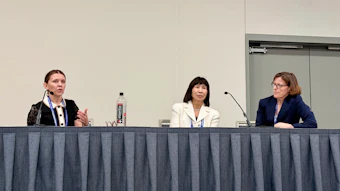
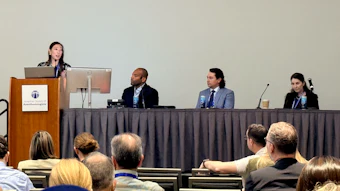
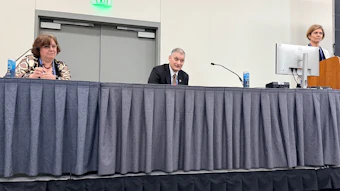
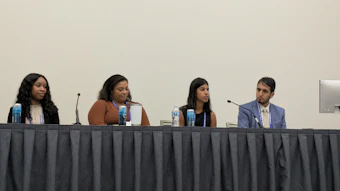
The question of implementing those plans and dealing with real-world scenarios was the focus of the Sunday session “Beyond Mandates: Advancing Trainee Excellence and Safety Through Workplace Civility in Anesthesiology.”
Session moderator Della Lin, MD, FASA, served on the ASA Ad Hoc Committee on Harassment, Incivility, and Disrespect when that statement was originally created.
“It was a very intentional task force,” said Dr. Lin, who is a practicing Anesthesiologist in Honolulu, Hawaii, and Secretary of the Anesthesia Patient Safety Foundation. “We had 11 people and tried to get a broad perspective. We wanted the kind of diversity we thought would be meaningful for membership.”
A critical element is to have a reporting system. Dr. Lin suggested this should be a web-based, centralized system that fosters psychological safety and effectively tracks HID patterns.
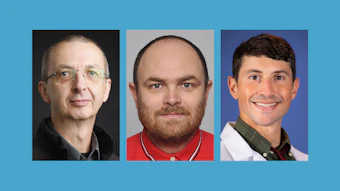
Although workplaces may be tempted to make the reporting system anonymous in order to minimize fears of retaliation against the victims, session panelist Scott Markowitz, MD, MS, said confidentiality is more important than anonymity. Anonymity, he said, makes it more difficult to verify the information and investigate the incident.
“It’s quite clear the safest way for a victim to avoid retaliation is to not report at all,” said Dr. Markowitz, who is a board-certified coach with Physician Leadership LLC in Denver. “The second safest way is an anonymous system – but an anonymous system creates an entire culture of dissatisfaction. You may get an increase in reports, but there is less that you can do with them and therefore a larger dissatisfaction with the resolution system. Confidentiality is important.”
In addition to creating a reporting system, training employees how to manage and deal with these situations is essential. An employer can have all of the mandates and systems in place, but if the employees don’t know how to treat each other, then the systems themselves won’t be able to function, said session panelist Andrew Pham, MD.
“Almost nobody comes to work with an intent to cause problems,” said Dr. Pham, who is an Assistant Professor of Anesthesiology and Associate Program Director with the Anesthesiology Resident Program at Tulane University in New Orleans.
Session panelist Iyabo Muse, MD, FASA, said one of the strategies that individuals can use in the workplace involves keeping criticisms private and respectful, while offering praise in public.
“I praise the residents in front of whoever is trying to show the disrespect,” said Dr. Muse, Associate Professor of Anesthesiology and Division Chief of Regional Anesthesia and Acute Pain Medicine for the University of Virginia’s Department of Anesthesiology. “And if a conflict arises, you want to try to calm the environment and remind everybody that we’re all here for the patients.”
Modeling civility through public praise and private critique was just one of several individual strategies suggested by the panel. These strategies are part of “The Upstander Toolbelt” – five 'Ds' that individuals can follow when dealing with a difficult situation. They are:
- Direct: Address the behavior immediately in a calm, nonconfrontational manner.
- Distract: Interrupt the situation by changing the focus or physical environment.
- Delegate: Tap in another senior colleague or supervisor to assist or intervene.
- Delay: Wait until the situation resolves, then check in with the impacted colleague.
- Document: Keep an objective, written, and contemporaneous record of the interaction in case systemic patterns change.
“It’s about promoting an environment where people feel psychologically safe,” Dr. Lin said. “We also have to help the younger generation figure out how to navigate these issues as they are starting their careers.”