LITES research network findings signal potential changes in trauma resuscitation strategies
Multiple studies could ultimately expand the toolkit available to trauma teams during the earliest stages of care.
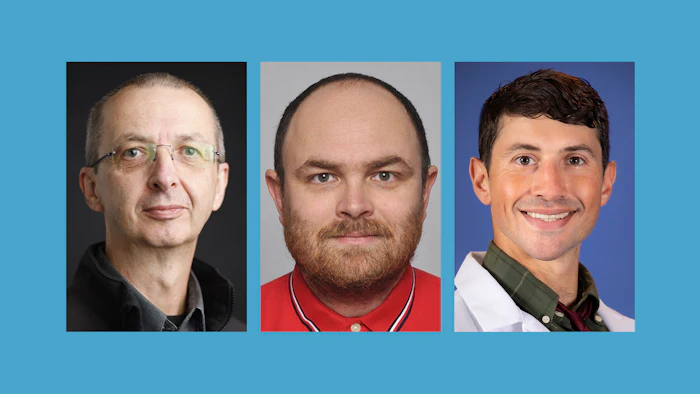
The landscape of trauma care may be on the verge of significant evolution as emerging findings from the Linking Investigations in Trauma and Emergency Services (LITES) Research Network provide new insights into prehospital resuscitation, airway management, hemorrhagic shock treatment, traumatic brain injury care, and pain management.
Several major studies are now moving beyond feasibility assessments and generating early data that could influence future trauma protocols nationwide. Those studies and a discussion of how they could reshape anesthesiology trauma centers throughout the country will serve as the focus of the Sunday session, “The Bleeding Edge: Updates From the LITES Network Trials.”
“We should keep an eye out for final results of these LITES trials, as they may produce notable changes in the products and medications our trauma patients receive as part of the initial resuscitation,” said David Leon, MD, MS, an Assistant Professor in the departments of Anesthesiology and Emergency Medicine at the University of California Davis School of Medicine in Sacramento. “It will be interesting to see how changes to prehospital care and early resuscitation approaches/changes to damage control resuscitation will affect the downstream care of patients once they arrive to the operating room and ICUs.”
Although the LITES network has entered a more mature phase, with several studies producing clinical outcomes, Dr. Leon said multiple randomized trials continue recruiting patients. The results from many trials suggest that some long-held assumptions about prehospital trauma interventions may require reconsideration, including whole blood transfusion strategies, he said.
Dr. Leon noted the recently published Type O Whole Blood and Assessment of Age during Prehospital Resuscitation (TOWAR) study closely follows the results of the Study of Whole Blood in Frontline Trauma (SWiFT) trial, which suggests that simply giving a small number of whole-blood units before hospital arrival does not improve survival compared with contemporary component therapy prehospital.
Similarly, the Prehospital Analgesia INtervention (PAIN) trial is currently testing I.V. ketamine as a potentially safer and effective alternative to I.V. fentanyl in the prehospital phase, Dr. Leon said, translating in better hemodynamic stability and lower mortality in adult patients with compensated traumatic shock. The study is ongoing with continuing enrollment (now at 25%).
Dr. Leon said researchers are currently analyzing the results of the Prehospital Airway Control Trial (PACT), which was focused on prehospital airway management, randomizing patients to either supraglottic airway first or standard airway management in adult trauma patients. The enrollment has been completed, but follow-up data are still being collected.
Session speaker Olivier Duranteau, MD, MSc, PhD, noted early results from the Cold-Stored Platelet Early Intervention in Hemorrhagic Shock (CriSP-HA) and Cold-Stored Platelet Early Intervention in Traumatic Brain Injury (CriSP-TBI) trials on cold-stored platelets. Both are promising, he said, particularly in selected bleeding or TBI phenotypes. However, the evidence has not yet reached the level needed for a universal recommendation, he said. Dr. Duranteau, who is an Anesthesiologist with the Hôpital d'Instruction des Armées Percy in Paris, France, remains the most upbeat about the TOWAR trial.
“Personally, I think TOWAR is the interesting one because it's a negative result – it pushes back a bit on the assumption that whole blood is just better. It probably means less pressure to rush into whole-blood programs everywhere, and more focus on just getting patients transfused fast rather than obsessing over which product,” he said. “TOWAR's result might make some EMS systems rethink investing in whole blood logistics. But protocol changes at the EMS level take a while anyway – retraining crews, getting sign-off, etc. – so it's worth tracking now rather than waiting.”
LITES began with its inaugural project, Task Order One, which assessed the impact of adverse prehospital events — namely hypoxia, hypotension, and hypocarbia — and how to affect outcomes from TBI in adults. Incidences of hypotension or hypoxia were 10% and 12%, respectively, and were associated with increased odds of adverse outcomes (emergency department or hospital death). Hypocarbia with advanced airway management was observed in 61% of patients and was associated with a 7.99 adjusted relative risk (ARR) of ED mortality. These results suggest the need to optimize oxygenation, ventilation, and perfusion in the prehospital phase to mitigate the impact of the injury, said session presenter Tomas Drabek, MD, PhD, FASA, Professor of Anesthesiology at the University of Pittsburgh School of Medicine in Pittsburgh, Pennsylvania.
“Collectively, these randomized control trials may inform prehospital healthcare providers on current best practices,” Dr. Drabek said. “Prolonged, multifaceted, and multidisciplinary care for the severely injured adults in these trials is expected. Thus, the potential of these short-term prehospital interventions to affect long-term outcomes remains to be determined.”
In exploring new approaches to damage control resuscitation, Dr. Leon said several ongoing trials are exploring therapies beyond traditional blood products. The Calcium And VAsopressin following Injury Early Resuscitation (CAVALIER) trial is examining whether adding calcium and vasopressin earlier in the resuscitation process can improve outcomes for trauma patients with severe hemorrhage.
The Plasma Resuscitation Early for Evaluating Volume and Endotheliopathy of Thermal Injury (PREEVEnT) study is investigating prehospital plasma use in burn patients, potentially offering clinicians new strategies for managing burn-related shock before hospital arrival. That study is currently in early recruitment phases, he said.
Dr. Leon said these trials could ultimately expand the toolkit available to trauma teams during the earliest stages of care.
“LITES prehospital observational data are increasingly emphasizing the importance of the prehospital system and provider experience itself,” Dr. Leon said. “Provider trauma volume, procedural experience, timing, physiologic control, and the surrounding EMS system may substantially modify outcomes."
Although the data are not complete for all these trials, Dr. Leon said he believes the realm of damage control resuscitation will continue changing as the results from these trials finalize, particularly in the earliest phases of trauma resuscitation.
Dr. Duranteau cautioned that many findings will require confirmation through future research. But for clinicians across the trauma continuum, staying current on these evolving studies could prove essential as the next generation of evidence-based trauma care begins to take shape.
“Major protocol changes are unlikely to occur immediately,” Dr. Duranteau said. “Updating EMS practices typically requires extensive planning, including medical oversight approval, provider education, operational adjustments, and coordination with regional trauma centers. As a result, organizations are expected to monitor emerging evidence before making substantial changes.”
The panel also includes contributions from Philipp Lirk, MD, PhD, Director of Acute Pain Management Service at UT Memorial Hermann Hospital in Houston.