You are your own best career advocate
For underrepresented minorities who struggle to get their foot in the anesthesiology door, creating your own door may be a better path forward.
For aspiring anesthesiologists who are part of historically underrepresented groups within the specialty, getting the help, mentorship, and resources you need to move forward in your career can be tough. Although there are plenty of available resources from ASA to advocate for you and help you along the way, there is no better advocate for yourself than you.
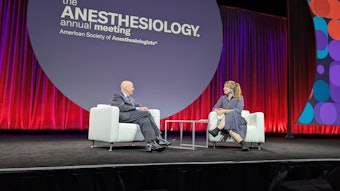
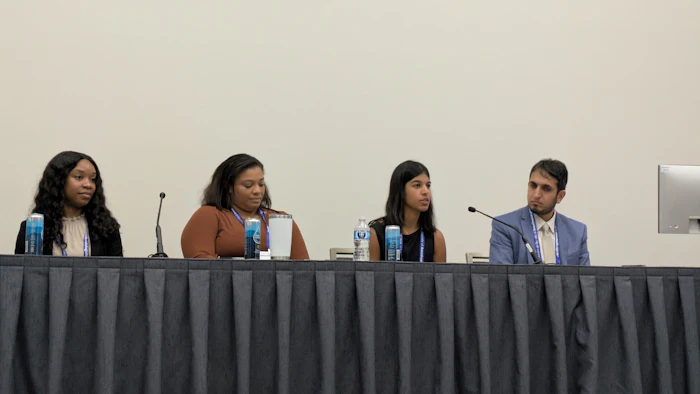
That was the message from Saturday’s session, “Leveraging Your Voice to Impact Change and Promote Self Advocacy.”
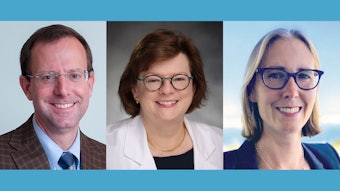
“It’s a really tough world for (underrepresented minority) anesthesiology trainees,” said session moderator Ludwig Lin, MD. “There just aren’t very many. In addition, there are some critics who question the fairness in having the numbers of underrepresented minority group trainees who are already in the system and the quality of their performance.”
Dr. Lin, who is an Adjunct Professor in the Department of Anesthesia and Perioperative Care at the University of California, San Francisco, said it is critical for trainees who fall into those categories to learn to advocate for themselves.
“Staying true to your voice is going to be essential to you as you navigate this process,” Dr. Lin said. “Advocating for yourself and remembering the reasons why you are choosing this specialty are going to be the drivers for you in getting through this application process, and it’s also going to sustain your job satisfaction through the years.”
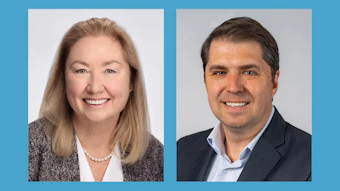
Each of the panelists shared stories of overcoming adversity during the early days of their careers. Growing up, panelist Ashley Vincent Thompson, MD, didn’t have any mentors around her who were doctors, but she said she fell in love with anesthesiology in college when she had the opportunity to shadow an anesthesiologist. However, not everyone she encountered on her career path was as helpful as that first doctor.
While doing her undergrad work, Dr. Thompson, who is an OB Anesthesiology Fellow at Brigham and Women’s Hospital in Boston, said there was a premed advisor who everyone was required to meet with if they were going to apply to medical school. Even though Dr. Thompson had only met with this advisor once, she was advised not to apply to medical school.
“I was shocked. I didn’t know what to say,” she said. “I decided to use that as a moment to leverage my voice. I said, ‘Thank you so much for your opinion, but I’m going to apply.’ This advisor didn’t know me. She didn’t know my story and decided it was her job to tell me not to apply. If I had listened to her, I wouldn’t be here today.”
Panelist Anika Sinha, MD, Anesthesiology Resident at Mount Sinai Hospital in San Diego, had a similar experience with a principal investigator (PI) when she was doing research in medical school. It was expected that you should meet with this PI, but she struggled to get her foot in the door. Concerned about missing critical research opportunities, Dr. Sinha sought a different approach.
“I branched out to other schools within the state and developed some close relationships with other mentors,” she said. “I feel like my med school career took off a lot more with them."
Dr. Sinha took her increased confidence back to her own school and began reaching out to other professors within anesthesiology to do case reports or write up interesting cases.
“I ended up doing four different posters at the ANESTHESIOLOGY meeting last year,” she said. “You really have to push yourself. You really have to put your name out there. Try to network even beyond your own institution.”
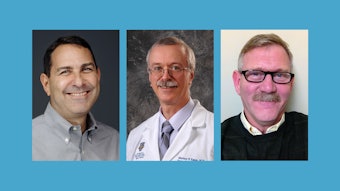
Session panelist Tanisha Verneus, MD, said sometimes all it takes to get those doors open is the right person on the other side.
“If you find one person and make a connection, and they know 10 other people, then they are able to connect you with those people,” said Dr. Verneus, who is a Pediatric Anesthesiology Fellow at New York Presbyterian/Columbia Children’s Hospital in New York City. “If you tell them your interests, what you’re passionate about, then they can find someone else. And as you meet that one person and they introduce you to someone else, your network will continue to grow.”
Beyond just meeting the right people, having the right resources can be critical to your career success. Session panelist Mohammed Hakim, MD, Clinical Assistant Professor of Anesthesiology at Michigan State University/Henry Ford Hospital in Detroit, said ASA offers resources that can help underrepresented minorities interested in anesthesiology, such as those from the Medical Student Component and the Resident Component. Those components, he added, are more than just websites.
Dr. Hakim urged attendees to keep moving forward with their own vision of what their careers mean, rather than letting someone else dictate that.
“You are your best brand ambassador,” he said. “Don’t let others define who you are. And don’t lose hope. Never lose hope.”