ASA workshop highlights power of storytelling to advance anesthesiology research
Experts urge physicians and researchers to tailor messages for lawmakers, policymakers, and advocates.
Good storytelling is at the heart of advocacy. And that rings true for anesthesiologists seeking to further their research and gain the financial support to bring it to fruition.
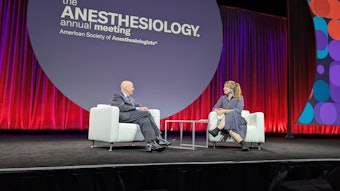
Learning to be an effective storyteller and advocate for research is the focus of the Saturday session, “Educating the Anesthesia Community, Legislators, and the Public About Anesthesiology Research.”
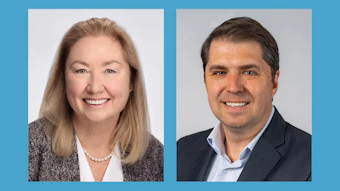
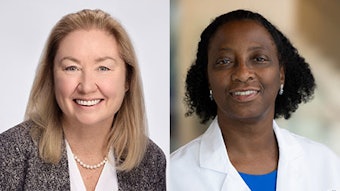
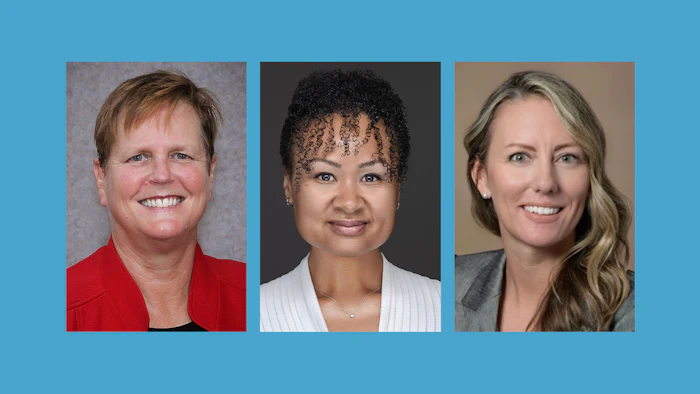
Meghan Lane-Fall, MD, MSHP, FCCM, is among the session panelists and is Chair of Anesthesiology at Columbia University’s Vagelos College of Physicians and Surgeons in New York City.
“Communicating the meaning and importance of your research to legislators and policymakers is as crucial as asking the right research question, choosing the right study design, and sharing the results with other scientists,” said Dr. Lane-Fall.
Successful advocacy begins with understanding the audience, she said, often requiring a varied approach and message. The session will focus on storytelling for legislators (state and national), policymakers, and advocacy groups.
“Think about who your audience is, what you want them to do, whose voice you want to center on in the story,” added fellow session speaker Heidi Tavel, MD, FASA. “Then consider the stakes of not taking action as well as the potential value for taking action.” Dr. Tavel is an Associate Clinical Professor of Anesthesiology at the University of Arizona College of Medicine in Tucson.
A key piece of advice, according to Dr. Lane-Fall, is to adapt the story to whichever aspect of research you emphasize to the audience.
“Potential audiences for stories about anesthesia research include other scientists (within and outside your area of expertise), legislators, policymakers, advocacy groups, hospital and academic executives, learners, patients, donors, members of the public, and your family,” she said.
Session speaker Harriet Hopf, MD, FASA, said supporting and developing research-focused anesthesiologists is a key focus of the ASA Committee on Academic Anesthesiology and its efforts to spotlight the value, breadth, history, and people of anesthesia research. Dr. Hopf is a Professor of Anesthesiology and Biomedical Engineering at the University of Utah in Salt Lake City.
“Once our members understand their audience and the value of storytelling in research, it’s time to write a story. There are many practical considerations,” said Dr. Hopf.
“Lead with a story to capture attention; choose a story that ties to the why of the work. For clinical stories, make sure to remain HIPAA compliant,” Dr. Hopf said. “Focus on communicating the why and how of your work rather than the details of studies. Policymakers favor presentations that are brief, relevant to constituents, timely, and accompanied by a story that highlights the value.”
Additionally, Dr. Hopf suggested supporting stories with [the minimum possible] data to give context and credibility. Outline the remaining steps and use plain language. For example, she said, instead of speaking in acronyms, such as “POCD,” say, “problems with memory and thinking after surgery.” Instead of saying “protected time,” choose “time reserved for research rather than clinical assignments.”
As with anything, practice makes perfect, Dr. Hopf said. A successful story should be easily shareable in a one-page, 30- to 90-second pitch.
Finally, don’t forget to “define the ask,” Dr. Tavel said. Advocacy requests should be specific and actionable.
“Instead of ‘please support research,’ connect the ask to next steps and the funding required to complete those steps,” Dr. Lane-Fall said.
Because advocacy is at the core of a good story, Dr. Lane-Fall said storytelling has proven to strengthen efforts to support physician-investigators and research funding. She tells researchers to broaden their perspective beyond research breakthroughs alone. Stories about the journey to scientific discovery, the diversity of anesthesia research, and the role of basic science in enabling clinical advances can all help stakeholders understand the value of ongoing investment in research.
Dr. Tavel encourages researchers to get involved with the ASA Political Action Committee, a key resource in advocating for research funding and support. She said the most effective and compelling asks are those that are pertinent and can be shared on your behalf.
Dr. Lane-Fall reminds researchers that storytelling is both an art and a science. Strong narratives can influence decisions, build relationships, and inspire action.
“Storytelling is a way to build relationships – asks are more successful when there is an existing relationship,” she said. “There is a science to storytelling. Successful storytellers can change hearts and minds as well as behavior.”