An aging population’s impact on health care economics
Anesthesiologists stand uniquely positioned to lead reform and design effective care models.
People are living longer. But that good news doesn’t come without challenges, especially for the anesthesiologists who treat the increasing numbers of older patients requiring surgery.
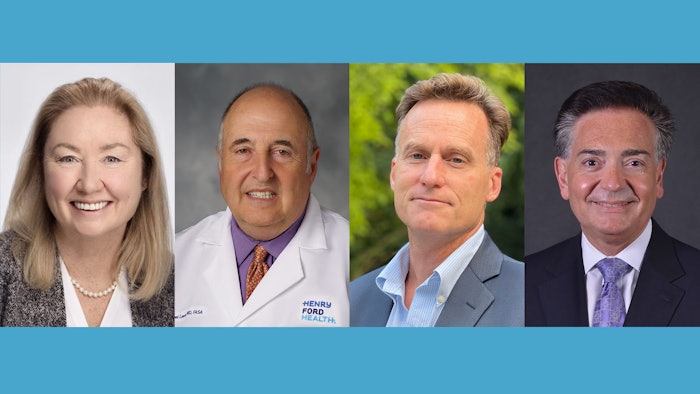
According to Michael Lewis, MD, FASA, Professor of Anesthesiology at Michigan State University College of Human Medicine in Detroit, the economic impact of an aging population is significant — from the basics of Medicare funding and decreasing payments to the impact on hospital revenues and the role of anesthesiology practices.
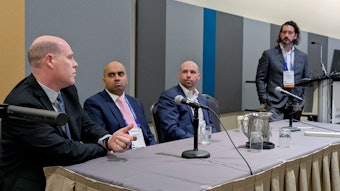
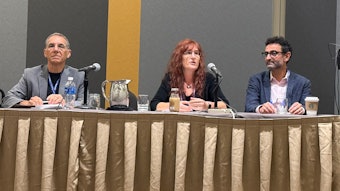
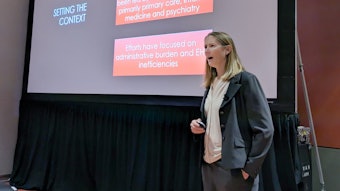
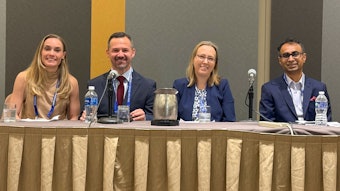
Dr. Lewis was among the panelists in the 2025 session "How the Aging Population Impacts Medicare Stability: Perspectives on the Impact on Anesthesiologists and Hospitals."
“This session reflected our shared commitment to understanding how an aging population intersects with Medicare design, hospital economics, and the future of anesthesiology. We each bring a distinct lens — policy, reimbursement, clinical care, or practice management — but we approach the issue with a unified sense of purpose and urgency,” he said.
According to Dr. Lewis, Medicare began during an era when a large, younger workforce supported a smaller group of retirees. Today, that ratio has flipped. Patients now live longer and undergo increasingly complex procedures, made possible by advances in less invasive surgical techniques. As a result, utilization and costs continue to rise. However, the Medicare structure has changed very little, even as federal financial support shrinks.
“This mismatch creates growing pressure on a system originally built for different demographics and clinical realities,” Dr. Lewis said.
Anesthesiologists now care for more patients who present with frailty, comorbidities, and heightened perioperative risk, said fellow presenter Sheila Barnett, MD, BSc, FASA, Professor of Anesthesiology at Geisel School of Medicine at Dartmouth in Hanover, New Hampshire. Such cases require thorough preparation, greater clinical judgment, and closer interdisciplinary collaboration. Yet, many current models fail to account for this complexity, especially in how they allocate time and staffing.
“Medicare consistently pays anesthesiologists less than commercial insurers, and that gap continues to widen,” Dr. Barnett said. “Costs associated with caring for Medicare patients increase annually, while reimbursement often remains stagnant — or declines. As Medicare procedures account for a larger share of case volume, institutions must absorb the financial shortfall between cost and reimbursement.”
Without intervention, she added, this trend could reduce professional autonomy, restrict investment in service expansion, and limit the diversity of clinical practice options, especially in systems that lack the means to cover the difference.
Considering that Medicare is the primary insurer for the aging population in the United States, the situation is further compounded by an ever-shrinking base of younger working adults contributing to a national tax base — one of the fundamental pillars of health care funding. Payroll taxes fund Medicare Part A. As the workforce-to-retiree ratio continues to decline, however, tax revenue becomes less reliable. This demographic shift directly undermines the program’s long-term financial viability and calls for forward-looking solutions that realign funding models with evolving needs.
The shift negatively impacts hospital revenue as well as the role of anesthesiology practices, according to session presenter Christopher A. Troianos, MD, FASE, FASA, Professor and Academic Chair of Anesthesiology at the Cleveland Clinic Lerner College of Medicine in Ohio.
“Hospitals now rely heavily on procedural revenue, much of which is tied to Medicare. Shrinking margins reduce their financial agility,” Dr. Troianos said. “To remain viable, anesthesiology practices must deepen their alignment with hospital goals, expand their leadership role in perioperative care, and communicate their value. Without that evolution, both care quality and financial sustainability remain at risk.”
Session presenter Gordon Morewood, MD, MBA, FASE, FASA, Chief of Anesthesia for the Piedmont Healthcare System in Georgia, discussed possible solutions to the various demographic shifts, financial structures, and clinical demands impacted by an aging population.
“Anesthesiologists stand uniquely positioned to lead that conversation — both by advocating for reform and by designing care models that reflect the realities ahead,” Dr. Morewood said.